


For many patients dealing with tooth loss a new denture can be a life-changing decision, and an important step towards restoring confidence, comfort, and function in day-to-day life. However as with any new experience, a new denture can take some getting used to – especially for first time denture wearers.
Although dentures are designed for everyday use, at first some may find it difficult to adapt to the sudden changes inside their mouth. For new dentures, a short adjustment period is a normal and expected part of the treatment process. And although it can be frustrating, with the right approach (and a little patience) most patients find that eating and speaking can quickly become natural again.
Getting Used to a New Denture
As you initially adjust to wearing a new denture, it’s normal for it to feel slightly bulky or strange at first, as your mouth, tongue, and facial muscles learn how to work with the denture.
Common early experiences can include:
- Increased saliva
- A feeling of fullness in the mouth
- Some mild movement of the denture while speaking or eating
However, these sensations will eventually improve as your facial muscles learn to adapt during this adjustment period.
What to Expect When You First Get Dentures
When you first get dentures, you may find your gums and soft tissues need some time to adjust to the sudden changes. Because dentures sit on top of the gum rather than being anchored in place like natural teeth, chewing and speaking with the denture may feel unfamiliar at first.
Initially you may find that it takes some additional awareness and effort when eating or speaking as you normally would, as your facial muscles learn to work in harmony with the new denture. You may also notice some mild discomfort or rubbing against the gums and inside your cheeks as the denture settles into place, until you become more familiar with where in your mouth the denture should naturally sit.
Although it can be frustrating, it’s important to remember that this stage is temporary, and most wearers notice steady improvements within only a few weeks.
The Adjustment Period for Eating and Chewing
It’s normal and expected for there to be an initial adjustment period for all new dentures, during which time your facial muscles learn to adopt new chewing and eating patterns in order to function normally with the denture in place.
During this time:
- Your gum adapts to pressure from the denture
- Your bite and chewing technique improve
- Confidence with eating and chewing gradually builds
During this time, it’s not uncommon to experience some minor pressure or rubbing against the gums and inside of your cheeks. However, any persistent rubbing, ulceration or pain that do not gradually ease over the first couple of weeks may need to be addressed by a professional.
In some cases, a quick denture adjustment may be needed in order to ease pressure on certain areas of the gums that may be causing discomfort. Our experienced team here at The Denture Clinic is here to assist you with any discomfort or concerns, especially during this initial stage.
Eating with Dentures: Tips for Eating Comfortably
Start with Softer Foods
Eating with dentures is easier when you begin with softer foods such as:
- Cooked vegetables
- Eggs
- Yoghurt
- Soft fish
These foods are gentle on your gum and help you build confidence while learning to chew. Take things at your own pace and try gradually introducing harder or chewier foods as you become more comfortable with the denture over time.
How to Chew Effectively Using a Denture
Using a denture requires a different chewing technique:
- Chew evenly on both sides of your mouth
- Take smaller bites
- Slow down when eating
This helps keep the denture balanced and reduces movement.
Foods That Can Affect Eating and Chewing
Some foods can affect eating and chewing, especially early on:
- Sticky foods may lift the denture
- Hard foods can place excess pressure on the gum
- Foods which require strong, repetitive chews (such as steak) may cause the denture to rub against the gums
- Small seeds or sharp/hard crumbs may become trapped between the denture and your gums, causing discomfort as the denture pushes down on them with each bite
As you become more comfortable, these foods can be reintroduced gradually. However, just as with your natural teeth it’s important to still take care when eating certain foods (such as hard nuts or pork crackling) as these can cause damage to both natural teeth and the denture if not eaten with care.
Speech and Eating with Dentures
Speech and eating often improve together as your mouth adapts. It is common to notice small changes in pronunciation when wearing the denture at first, and you may find some temporary difficulty with certain words or sounds
How Dentures Can Affect Speech
Although it can come as a surprise to some first-time denture wearers, when adjusting to the new denture it’s normal to experience temporary changes to your speech and pronunciation of certain words and sounds. Dentures can often have an impact on speech as they change how your tongue interacts with the roof of your mouth, as well as the movement of your mouth and lips.
As you first adjust to speaking with a new denture, you may notice:
- A slight lisp
- Difficulty with certain words or sounds
- Minor clicking sounds
However, these changes are temporary and will improve with practice and patience.
How to Improve Speech with a Denture
To improve speech, simple daily practice is very effective:
- Read aloud for a few minutes each day
- Speak slowly and clearly
- Repeat words that feel difficult
Consistency helps to train your muscles to speak naturally again and improve the clarity of your speech.
Exercises to Help You Speak Clearly
To help you speak clearly:
- Practise in front of a mirror
- Focus on mouth movements
- Repeat challenging sounds
These exercises support faster adjustment and improved confidence. Most patients will find their speech feels completely natural within only a short period of time, and daily practice can help to speed up the adjustment process greatly.
Denture Care for Oral Health
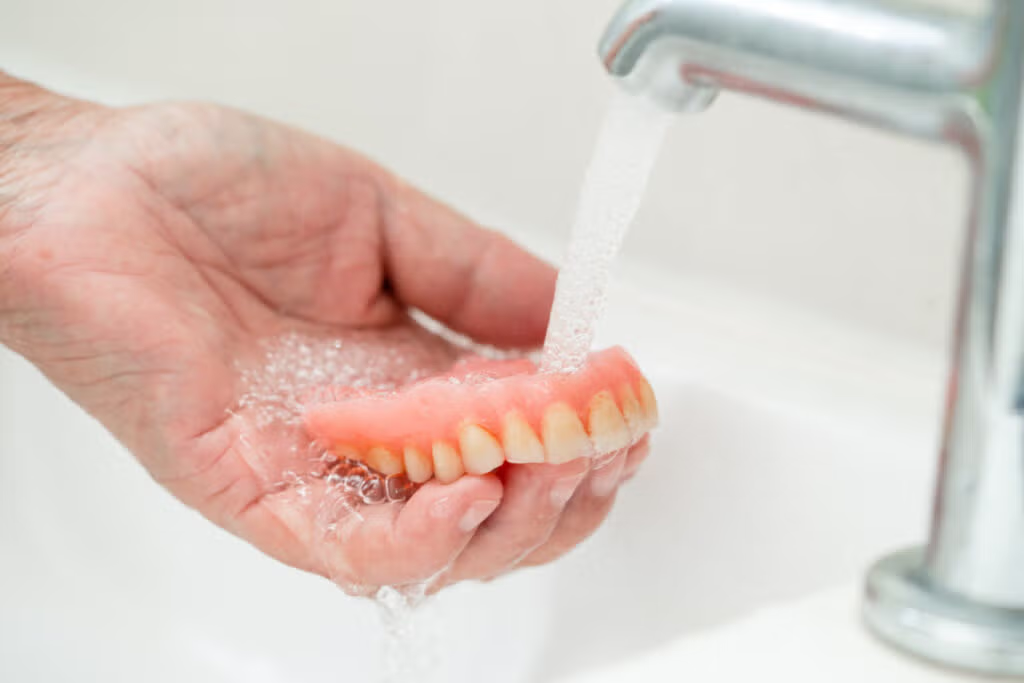
Good denture care is essential for maintaining your oral health and comfort, much like caring for your natural teeth. Getting used to a new denture doesn’t just involve adjusting to the changes happening inside your mouth, but changes to your daily habits as well.
As with any new habit, learning how to clean and care for your denture and making daily denture care a part of your regular routine each day make take some time.
Learning to make these new habits and practices a part of your daily routine is essential to maintaining good oral health and ensuring the longevity of your dentures.
Daily care should include:
- Removing and cleaning your denture thoroughly at least once per day
- Gently cleaning your gums and any remaining teeth, especially at night
- Keeping dentures clean and dry when not worn, and stored somewhere safe and out of harm
- If sleeping with dentures in at night, ensure both your denture and any remaining natural teeth are properly cleaned before bed
Establishing A proper denture care routine is essential for protecting your oral health; helping to prevent gum irritation, infections, and further tooth loss from decay. Following good denture care and hygiene habits also helps to prolong the life of the denture, and keep the denture fitting comfortably for longer.
Replacing Missing Teeth with a Denture
Dentures are a cost-effective and reliable long term solution for replacing missing teeth, and can drastically help to restore and improve appearance, function and confidence for patients dealing with partial or complete tooth loss.
With proper use and care, they allow you to:
- Enjoy a wider range of foods
- Speak more clearly
- Maintain overall oral health
When to Seek Support During the Adjustment Period
When adjusting to a new denture, most issues and concerns will settle naturally with time. However, if problems persist or become worse, it may be time to seek help from a dental professional. It’s important to speak to your dentist or dental prosthetist if you continue to experience the following issues:
- Sore spots or ulcers developing on your gums or inner cheeks
- The denture feels loose or feels as though it rocks around in your mouth
- Eating and chewing remain difficult after a few weeks
If this is the case, The Denture Clinic is here to help provide the much needed adjustments to improve the comfort and fit of your denture.
Getting a Denture That Feels Natural
Getting a denture that feels secure and natural is key to long term success. With high quality materials, precise workmanship, and ongoing denture care and maintenance, a new denture can help provide patients with a comfortable and confidence boosting tooth replacement solution
Adapting to a new denture takes time – but with patience, practice and the right support, you’ll soon find eating, chewing, and speaking will soon feel effortless again.
Speak With Our Friendly Team
Tarragindi Denture Clinic is located at Shop 4 / 56 Pring Street, Tarragindi QLD 4121.
You can contact them using the information below:
| Location: | Shop 4 / 56 Pring Street, Tarragindi QLD 4121 |
| Phone: | (07) 3892 7988 |
Beaudesert Denture Clinic is located at 3 Eaglesfield Street, Beaudesert QLD 4285.
You can contact them using the information below:
| Location: | 3 Eaglesfield Street, Beaudesert QLD 4285 |
| Phone: | (07) 5541 2365 |
Jimboomba Denture Clinic is located at Colonial Village Shop 13, 689-695 Cusack Lane Jimboomba QLD 4280.
You can contact them using the information below:
| Location: | Shop 13, 689-695 Cusack Lane, Jimboomba QLD 4280 |
| Phone: | (07) 5548 7768 |
Contact our friendly team to find out more about our full partial denture options, and find the solution that suits your needs.