

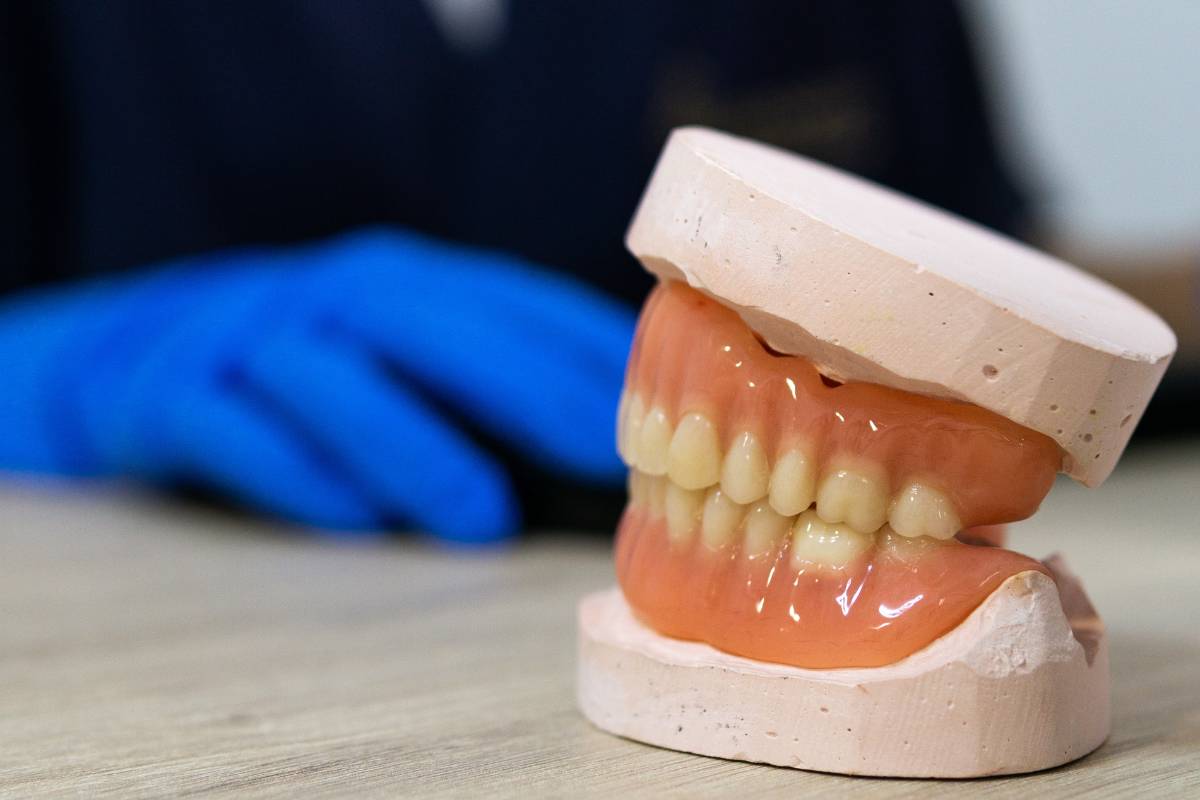
Do your dentures feel as secure as they once did? Over time, it’s not uncommon for denture wearers to experience changes in how their dentures fit. A poor denture fit can lead to soreness and affect your overall oral health. Recognizing the signs your denture requires a reline is the first step toward restoring comfort and confidence. Read on to learn about common signs and what to do if your dentures may need attention.
Understanding Dentures and Their Fit
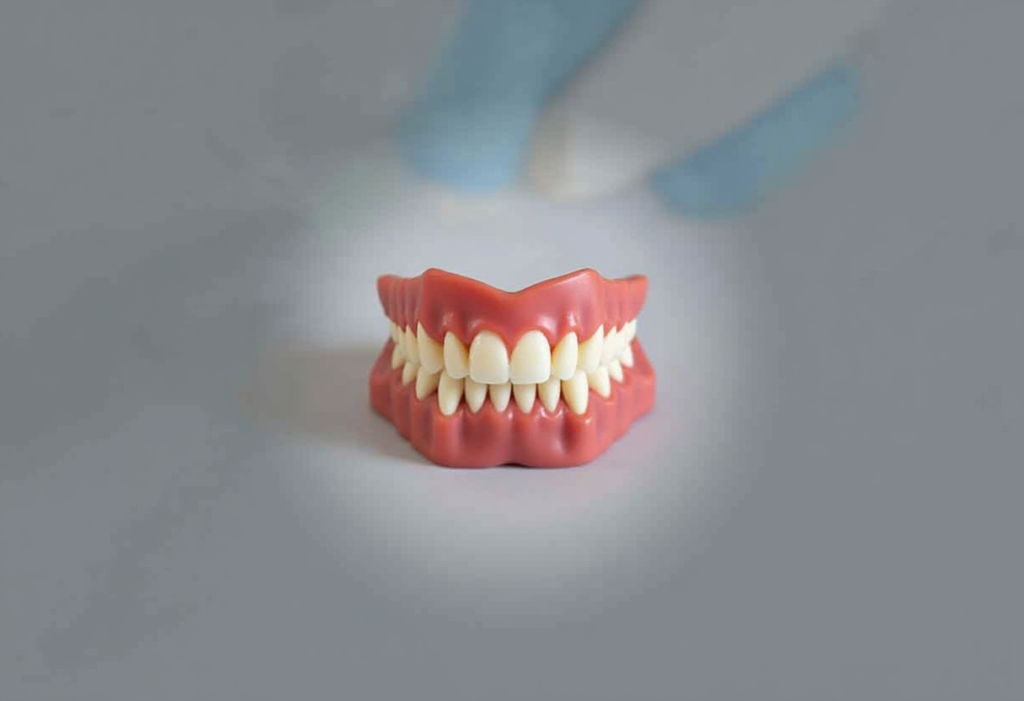
Dentures are designed to restore the function and appearance of natural teeth, allowing you to eat, speak, and smile with confidence. However, it’s essential to understand that the fit of your dentures isn’t permanent. Just like our bodies, our mouths change over time, affecting how dentures sit and function.
Why Do Dentures Change Over Time?
Your gums and jawbone naturally change shape over time, especially after tooth loss. After tooth loss, the jawbone no longer receives stimulation from tooth roots, which can lead to gradual bone resorption and changes in gum contours. The shape of your gums can change with age, weight loss, and other health conditions. Dentures are made to fit the structures and soft tissues of your mouth as they are at the time of the denture’s construction , so any change in your oral anatomy can cause them to feel unstable, causing the dentures to rock in place, causing pressure and pain in the affected areas. Daily use can weaken the denture base over time, and the life span of your denture will depend on a number of factors, and is unique to each individual and denture. These structural changes commonly include a reduction in jawbone volume, thinning or shifting gum tissue, an altered ridge shape supporting the denture and decreased natural suction.
Importance of Proper Denture Fit
If you wear dentures every day, you rely on them for comfort, confidence, and function. A proper denture fit is important to your comfort and overall oral health. Recognizing the signs your denture is in need of a reline or repair is crucial for maintaining your oral health and comfort. Ill-fitting dentures can lead to tender spots, soreness, and even difficulty eating and speaking. A well-fitted denture should function with minimal reliance on denture adhesives and provide the support you need. If you’re unsure whether your dentures don’t fit properly, it’s a good idea to consult with your dentist or dental prosthetist.
What is a Denture Reline?

A denture reline is a straightforward procedure that can significantly improve the comfort and stability of your current denture. If you’re experiencing loose or rocking dentures, a denture reline might be the perfect solution to restore the snug fit you once enjoyed and help prevent further oral health issues.
Definition of Denture Reline
A denture reline is a procedure that involves reshaping the underside of your denture so that it better conforms to the current contours of your gums. By taking updated impressions of the gums, dental professionals can adjust the fit so it aligns with current oral structures. This is a clinically guided process that reshapes the internal surface of a denture and adjusts your current denture to fit better. Relining involves reshaping the denture base of the present denture and can make a world of difference.
Types of Denture Relines
There are three main types of relines your dentist might recommend: Soft Reline, Hard Reline, and Temporary Reline. Different relining materials are used depending on the condition of the gums and patient needs.
| Reline Type | Description |
| Soft Reline | Uses a cushioned material for patients with sensitive gums or tender spots; it is more comfortable but may not last as long. |
| Hard Reline | Involves reshaping the denture base using hard acrylic for a more durable and long-lasting fit. |
| Temporary Reline | Typically used when your gums are inflamed or healing; it is a short-term solution until a permanent reline can be done. |
Soft relines offer cushioning for sensitive soft tissues and hard relines provide longer-term structural support.
Common Signs Your Dentures Need a Reline
Unstable Dentures
If your dentures move while you’re talking or eating, that’s a key sign they’re no longer fitting as they should. Movement when chewing or speaking is a sign that dentures are losing stability. If your dentures no longer stay in place while speaking or eating, or if you need denture adhesives more often, your dentures may need relining. If you’ve started relying heavily on denture adhesives to keep your prosthetics in place, your dentures probably need relining or adjusting, so consider contacting your dental prosthetist for a denture reline.
Sore Spots or Gum Irritation
Are you feeling consistent discomfort with your dentures? Ill-fitting dentures can rub against your gums and soft tissue, leading to sores, blisters, or inflammation. Gum soreness or tender spots are potential risks associated with unsecured dentures. Inflammation, ulcers, or red patches on your gums can mean your dentures are rubbing in the wrong places due to an improper fit, requiring a denture resurface from your dentist. Chafing, swelling, pressure points or gum soreness are all signs that your dentures might be too unstable or tight, leading to inflammation, so it’s a good idea to seek denture care.
Food Trapped Underneath Dentures
If you notice that your dentures become wobbly over time and food particles are more frequently lodging underneath, it’s a strong indication of an inadequate fit. Food becoming trapped underneath is an early sign that dentures are losing stability. This not only causes discomfort but can also compromise denture hygiene and contribute to gum irritation. You may need to reline your dentures to fit better.
Clicking or Movement When Speaking
If you experience clicking sounds or feel your dentures shifting while speaking, it suggests they are not properly stabilised. Clicking or shifting sensations are an early sign that dentures are losing stability. These movements can cause embarrassment and affect speech clarity. Contact your denture clinic to evaluate the fit of your existing denture. Dentures may need a reline or denture adjustment.
Increased Reliance on Denture Adhesive
Reliance on denture adhesives is not a long-term solution for ill-fitting dentures. If you’ve started relying heavily on denture adhesives to keep your prosthetics in place, your dentures probably need relining or adjusting. A well-fitting denture should provide adequate retention on its own, minimizing the need for adhesives. This can signal the need for a new denture or denture refit. It’s a good idea to consult with your dentist.
Your Dentures Fall Out While Sleeping at Night
For many patients, waking up to find your dentures have fallen out of your mouth during the night can be another early sign that your dentures may be in need of attention. As your jaw relaxes and shifts during the night, loose dentures may become dislodged and make their way out of your mouth without you noticing. If you often wake up to find your dentures have fallen out onto your pillow or laying on the floor or bed, it may be time to see a professional to check the fit of your denture. In some cases, leaving your dentures unchecked can result in cracks or breaks in the denture caused by repeated drops onto the floor during the night, or accidently crushing the denture when rolling over in the night.
The Risks of Ignoring Fit Issues

Impact on Oral Health
Ignoring shaky or uncomfortable dentures can lead to bigger problems down the road, including infections, gum damage, and difficulties with eating and nutrition. When dentures move excessively, they can irritate soft tissues, and repeated friction may contribute to inflammation or soreness, particularly in areas under constant pressure. Unsecured dentures can cause damage. Potential risks associated with slipping dentures include increased likelihood of infection and accelerated tissue changes. If you’re unsure whether your dentures aren’t fitting properly, it’s a good idea to consult a dental professional. A visit to your denture clinic is essential for evaluating denture fit and addressing any concerns promptly. Ill-fitting dentures can compromise your oral health.
Potential for Discomfort and Pain
If your dentures have started to feel loose or uncomfortable, our team can assess your fit and recommend tailored relining solutions. Ill-fitting dentures can rub against the soft tissues in your mouth, causing painful ulcers and sore spots. Old dentures can cause aches and pressure on the gums. Pain during prolonged wear is a potential risk associated with loose dentures. With regular denture care and maintenance you can prevent experiencing significant soreness or pain, so it’s a good idea to maintain regular appointments with your dentist. These issues can often be addressed with a timely denture reline, restoring your comfort and confidence in your dentures.
If your dentures no longer feel comfortable or secure, our friendly team is here to help. Contact The Denture Clinic to arrange an assessment and discuss your options.
The Importance of Professional Assessment
How a Dental Prosthetist Can Help
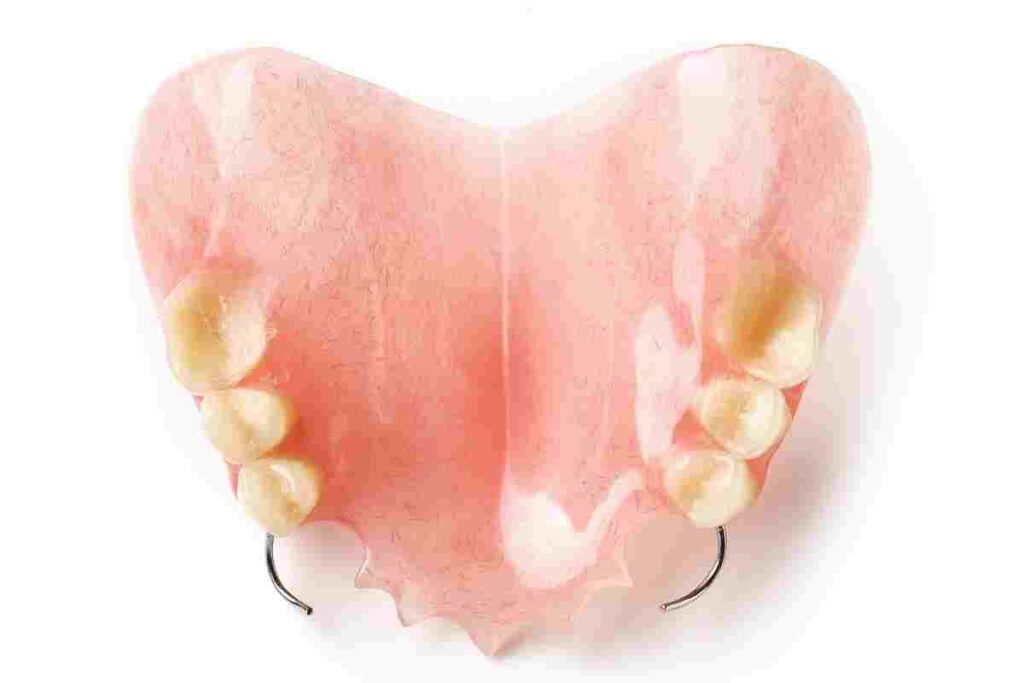
Visiting a dental professional is essential to assess your existing denture. Your dentist or dental prosthetist can assess your current dentures and oral health before recommending the best option for a denture refit. A clinical assessment helps determine whether wear is contributing to looseness or if a new denture is needed. A dental professional will help determine which option is best based on your gum health, the age of your dentures, and your lifestyle needs, and will help you determine what kind of relining your dentures requires.
Regular check-ups can ensure your dentures stay properly aligned, avoiding the risk of gum irritation and bleeding. Ignoring the signs your dentures need care can have long-term implications for your gums and overall oral health. If you’re unsure whether your dentures don’t fit properly, it’s a good idea to consult with your dentist or dental prosthetist.
Benefits of Regular Denture Check-ups
Regular check-ups with a dentist are crucial for long-term denture success. Scheduling an annual visit with a dental professional ensures that your dentures still fit better and are free of damage. Regular check-ups help avoid discomfort and can save you from expensive repairs later on. Over time, changes in your gums and jaw can cause your dentures to feel loose, and these regular check-ups will help ensure your dentures stay comfortable.
Regular assessments help you maintain a healthy, comfortable smile. It’s generally recommended to have your dentures evaluated every 1 to 2 years, but some patients may need adjustments more frequently. Ignoring the signs your dentures need repair can have long-term implications for your gums and oral health.
Reassurance for Patients
It’s important to be aware of common signs you need a denture refit. Relining allows existing dentures to adapt to changes without needing full replacement. Relining is a comfortable, non-invasive procedure designed to improve the denture fit of your existing denture. If you notice that your dentures become loose over time, it’s a sign that you need to reline your dentures. You’ll be amazed at how much difference a proper fit can make in your daily life.
Don’t wait until soreness turns into bigger problems. Regular denture care, including relining when needed, will help prevent gum irritation and discomfort. If you’re unsure whether your dentures aren’t fitting properly, it’s a good idea to schedule a consultation with a professional. With proper denture care you can avoid problems that affect your gums and other health conditions.
Speak With Our Friendly Team
If you need help choosing between full dentures or partial options, our experienced team is here to help.
Tarragindi Denture Clinic is located at Shop 4 / 56 Pring Street, Tarragindi QLD 4121.
You can contact them using the information below:
| Location: | Shop 4 / 56 Pring Street, Tarragindi QLD 4121 |
| Phone: | (07) 3892 7988 |
Beaudesert Denture Clinic is located at 3 Eaglesfield Street, Beaudesert QLD 4285.
You can contact them using the information below:
| Location: | 3 Eaglesfield Street, Beaudesert QLD 4285 |
| Phone: | (07) 5541 2365 |
Jimboomba Denture Clinic is located at Colonial Village Shop 13, 689-695 Cusack Lane Jimboomba QLD 4280.
You can contact them using the information below:
| Location: | Shop 13, 689-695 Cusack Lane, Jimboomba QLD 4280 |
| Phone: | (07) 5548 7768 |
Contact our friendly team to find out more about our full partial denture options, and find the solution that suits your needs.