


Cracked or broken dentures can be upsetting and uncomfortable, and often occur unexpectedly. Whether due to everyday wear and tear, an accidental drop, or changes in how your dentures fit, denture damage can affect your ability to eat, speak, and smile with confidence.
Our helpful guide explains everything you need to know about denture repairs, cracked or broken dentures, broken or chipped denture teeth, and when to seek professional help for your denture concerns.
Cracked or Broken Dentures
- Dentures can crack or break for a number of reasons, including everyday wear and tear, a loose or poorly fitting denture surface, and accidents such as dropping or crushing the denture
- A broken denture should always be assessed by a dental professional; cracked or chipped dentures can worsen and cause further damage if left untreated
- DIY denture or over‑the‑counter denture repair kits are not recommended, and can make professional repairs more difficult and less effective
- Temporary repair attempts can worsen damage to the dentures, so resist the urge to superglue cracked or broken dentures when they occur
- A professional denture repair can help ensure your dentures fit and function properly again, and remain comfortable for longer.
Common Denture Problems and Why They Happen
Accidents happen, and most patients will experience issues at some point throughout the life of their denture, especially for older or well-worn dentures. Common denture problems include:
- Cracked dentures, including hairline fractures in the denture surface
- Sudden breaks in the denture, broken or missing pieces, or dentures which have broken cleanly in half
- Chipped, lost, or broken denture teeth
- Loose or poorly fitting dentures
- Accidental breaks caused by dropping or crushing the denture, or biting into hard foods
- Denture wear from long‑term or heavy use (such as grinding of the denture teeth)
- Dentures that no longer fit correctly due to gum or jawbone changes
The severity of the damage can range from minor issues and annoyances, to serious dental problems which may require more urgent attention.
What to do if your denture is broken
If your denture has broken, or you notice damage to the dentures, take these steps immediately:
- Stop wearing the denture if it causes discomfort, or if the denture continues to break or worsen during use
- Rinse and dry the denture gently, and store somewhere safely until the denture can be repaired. If possible, try to keep all pieces together (including broken pieces of the denture base, or teeth which have broken off the denture)
- Do not attempt to fix a broken denture at home
- Avoid using denture adhesive, glue, or a denture repair kit. Attempting to repair the denture yourself with superglue can be especially damaging, and often makes professional repairs harder and less effective
- Contact your dentist or dental prosthetist as soon as possible for a professional repair
While it may be tempting to reach for the superglue when your denture breaks unexpectedly, attempting a temporary fix or DIY denture repair may cause further damage to the denture and affect the repair process and long term effectiveness of the denture.
Why professional denture repair is important
Professional denture repair is essential to ensure your dentures remain safe, functional, and comfortable. Repair work carried out by a professional denture provider considers:
- The extent of the damage
- The type of repair required
- The underlying cause of the damage, such as heavy stress points or weaker areas of the denture which may need strengthening
- Whether a denture adjustment or denture reline is needed to provide a better repair outcome
- Ensuring the dentures fit properly after repair
Always consult with a professional rather than relying on home repair kits or over‑the‑counter denture repair products. DIY fixes with adhesives such as superglue should never be attempted, and often make repairing the denture more difficult and more expensive later on.
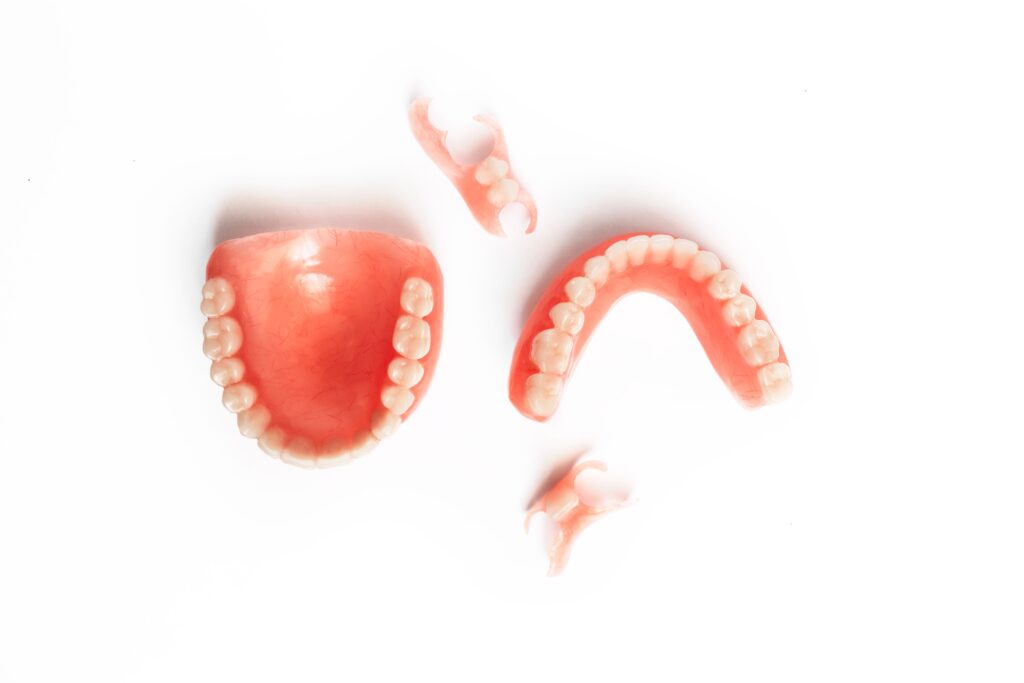
Types of denture repairs
Different types of denture repairs may be required depending on the type and extent of the damage. These may include:
- Simple repairs for small cracks (where the denture has not yet broken fully)
- Repairing dentures broken in half or into smaller pieces
- Fixing breaks and damage caused by heavy wear or grinding, particularly for older dentures
- Denture relines and adjustments to correct loose or wobbly dentures
- Emergency denture repairs for sudden or unexpected breaks
- Additional repairs and alterations to ensure the dentures remain properly aligned and comfortable
A professional denture repair ensures the dentures remain stronger for as long as possible, and continue to fit comfortably and correctly.
Why you should avoid DIY denture repairs
Unexpected denture breaks can be stressful, especially when it effects normal everyday function and/or appearance. While they may seem like a quick, convenient option at the time, over-the-counter denture repair kits or temporary DIY home repairs are never recommended. Attempting to fix a broken or cracked denture yourself can cause a number of issues and concerns, such as:
- Compromising the fit of the denture, causing it to become uncomfortable or difficult to wear
- Making future professional repairs more difficult, more expensive, and less effective long-term
- Negative impacts to oral health and comfort, such as sore spots and ulcers from rubbing, sharp spots on the denture which can scrape or cut the gums and tongue, and oral hygiene concerns as a result of food and plaque build-up in the cracks/crevices of the denture (which may be difficult to clean if partially covered by glue or other DIY repair attempts)
- Worsening of the damage to the denture, further affecting the function, comfort and appearance of the denture
When dealing with broken or damaged dentures, it’s important to seek professional advice and treatment from your dentist or dental prosthetist, rather than attempting to fix the dentures yourself. Ignoring small chips or cracks in the denture often results in further damage, and the need for more extensive (and expensive) repairs in the future.
Preventing denture damage
Preventing denture damage starts with proper, consistent denture care, including:
- Thoroughly cleaning the dentures at least once a day, using a gentle dish soap and soft bristled toothbrush to remove food and plaque buildup on the surfaces of the denture
- Keeping your dentures clean, dry, and stored safely when not in use
- Taking care when handling the dentures to avoid dropping or breaking the dentures , especially when wet or soapy. Simple, everyday practices can help reduce the likelihood of accidental breakages, such as avoiding handling dentures over hard surfaces (like tile or stone), and placing a towel in the sink when cleaning or rinsing the denture to provide a soft cushion if the denture is dropped
- Attend regular check‑ups with your dentist every six months to maintain good oral health, and assess the condition of your denture and address any concerns early on
- Have your dentures checked by a professional when they start to feel loose, wobbly, or cause any pain or discomfort
- Properly maintain your dentures with daily care and cleaning habits, and seek professional care and advice to address any questions or concerns
Understanding how to identify and prevent or correct d denture damage can help to ensure your dentures remain functional, comfortable and longer‑lasting.
Frequently Asked Questions
Can I repair my dentures at home?
While it may be tempting, resist the urge to try fixing a broken denture yourself. DIY denture repairs or over-the-counter repair kits are not always a safe or reliable solution, and can often cause further damage to the denture. Denture repairs should always be left in the hands of an experienced dental professional.
Is a cracked denture a dental emergency?
A cracked or broken denture can become a dental emergency if it causes pain or prevents you from eating or drinking normally. Seek professional help promptly.
Can a denture that breaks in half be repaired?
Yes, many dentures broken in half can be professionally repaired, depending on the severity of the damage. Dentures which have broken into multiple pieces are also able to be repaired in most instances. If this happens, be sure to keep the denture and any broken pieces together and store them somewhere safe until the denture can be repaired. If you find any broken pieces of the denture (including any denture teeth which have broken off), be sure to bring these with you to your denture repair appointment also.
Are denture repair kits effective?
Over‑the‑counter denture repair kits are not designed for long‑term use and may cause further damage. Denture repairs should be carried out only by a professional to ensure the best long-term outcome for your denture.
Will my dentures fit the same after repair?
Having your dentures repaired by an experienced professional can help to ensure your dentures fit correctly and comfortably after reconstruction, often with minimal adjustment needed. However in some cases follow up adjustments or relines may be needed to guarantee the best result (such as repairs for complicated breaks, or dentures which have lost a large portion of the total surface area).
Can loose dentures cause damage?
Loose dentures are a common cause of denture damage, both directly and indirectly. Cracks, breaks and oral irritation can often occur as a direct result of loose or wobbling dentures as they move around in the mouth, often hitting or grinding against the opposing teeth (or denture teeth). Loose dentures are also more likely to fall out unexpectedly when sneezing, coughing, or talking. Sleeping with loose dentures also poses a risk, as they may fall out onto the pillow or bed and be crushed accidently during the night.
How do I know what type of repair I need?
A dental professional will assess the damage to your denture, and decide upon the best repair process based on the nature and extent of the damage.
Should I keep wearing damaged dentures?
Continuing to wear damaged or broken dentures may not be advisable, particularly if you begin to experience discomfort, or you notice the denture continues to break/worsen during use. If this is the case, it’s best to remove the affected denture and store it somewhere clean, dry and safe from harm until it can be repaired. If you notice any damage to your denture, even minor cracks or chips, it’s important to seek professional help to repair the denture. Proper denture care and maintenance is key when it comes to ensuring the comfort and longevity of the denture, and maintaining better oral health.
Looking for denture repair in Brisbane?
If you are dealing with broken dentures or need professional denture repair, The Denture Clinic is here to help. With over 20 years of experience, our use of high‑quality materials and precise workmanship helps provide patients with prompt, reliable denture repairs and adjustments.
Tarragindi Denture Clinic is located at Shop 4 / 56 Pring Street, Tarragindi QLD 4121.
You can contact them using the information below:
| Location: | Shop 4 / 56 Pring Street, Tarragindi QLD 4121 |
| Phone: | (07) 3892 7988 |
Beaudesert Denture Clinic is located at 3 Eaglesfield Street, Beaudesert QLD 4285.
You can contact them using the information below:
| Location: | 3 Eaglesfield Street, Beaudesert QLD 4285 |
| Phone: | (07) 5541 2365 |
Jimboomba Denture Clinic is located at Colonial Village Shop 13, 689-695 Cusack Lane Jimboomba QLD 4280.
You can contact them using the information below:
| Location: | Shop 13, 689-695 Cusack Lane, Jimboomba QLD 4280 |
| Phone: | (07) 5548 7768 |
Contact the clinic to get your dentures assessed and repaired by a professional denture team you can trust.