
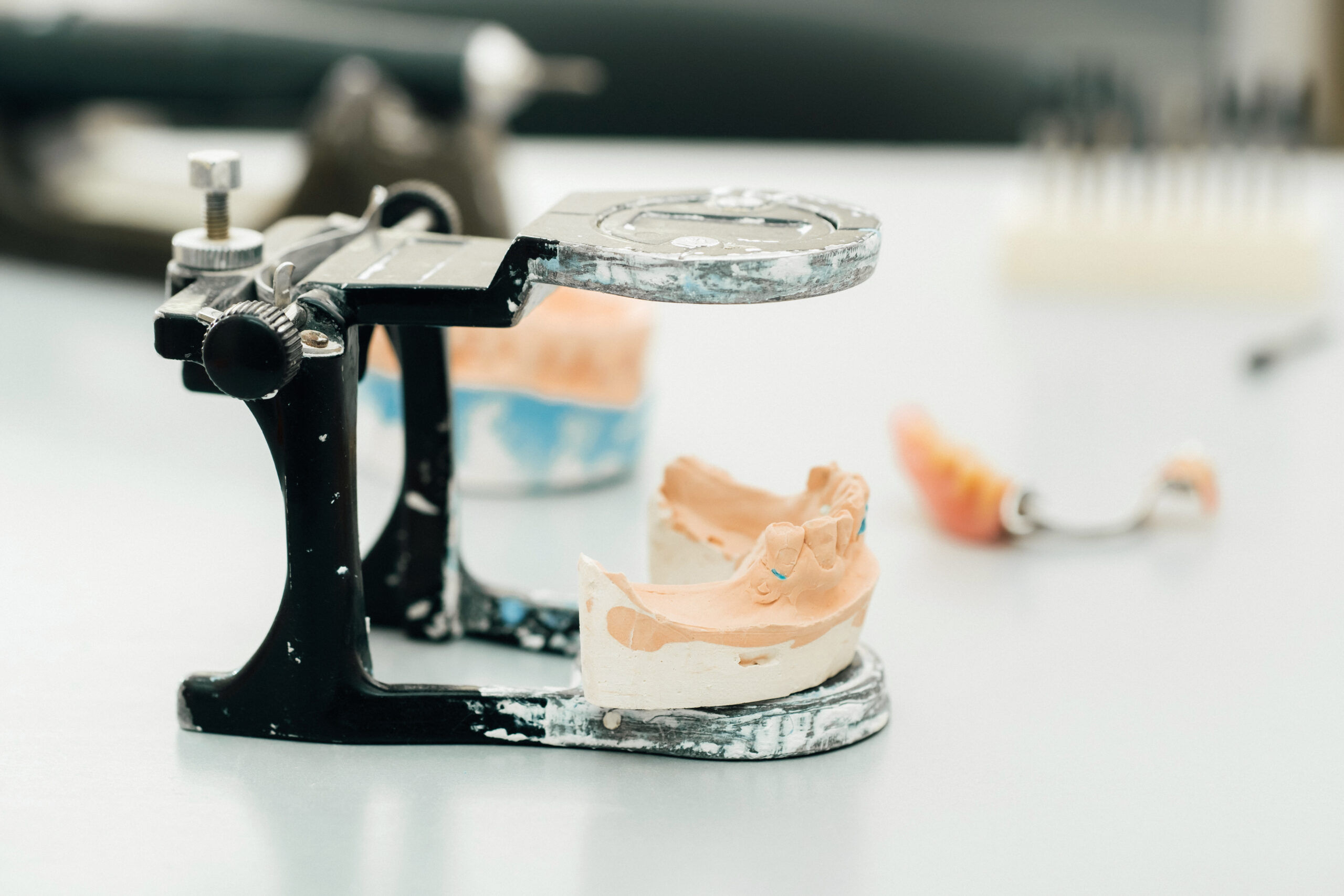
If your dentures no longer feel as comfortable or secure as they once did, changes in your mouth may be the reason. Over time, your gum tissue and the jawbone naturally change, which can affect how dentures fit. This is where denture relining becomes essential. Many patients ask about soft reline vs hard reline denture options, and how to decide between a hard or soft reline. Understanding the differences between soft and hard denture relines (and which is a better option for you) can help protect your oral health and keep your denture secure and functional for longer.
What Is a Denture Reline?
A denture reline involves adjusting the underside of your denture so it fits the new shape of your gum tissue more accurately. As bone loss occurs and gum tissues change over time, it is not uncommon for your denture to become prone to movement inside your mouth. Relining loose or ill-fitting dentures can help improve comfort, restore a secure fit, and help to prevent sore spots. Relines are commonly needed when dentures may no longer fit properly but are otherwise in good condition. A dentist or Dental Prosthetist may recommend relining the denture rather than replacing it with a new denture.
Main Types of Denture Relines
The main types of denture relines are:
- Soft denture reline
- Hard denture reline
Each type of reline provides different benefits depending on comfort needs, gum condition, and how long/often you wear your dentures.
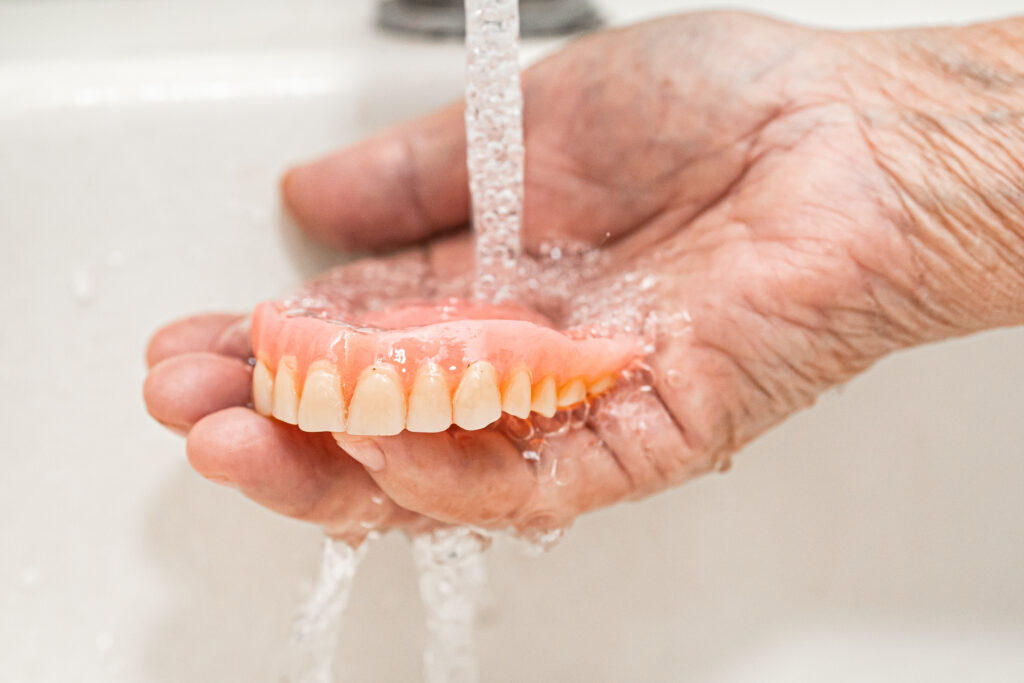
Asian elderly woman patient holding to use denture, healthy strong medical concept.
What Is a Soft Denture Reline?
A soft reline for dentures uses a pliable material that stays slightly flexible against the gums. Soft relines use a material that is gentler, often described as a denture with a putty-like material which conforms closely to the contours of your mouth.
Benefits of a Soft Reline
- Ideal for sensitive gums or sore spots
- Material helps absorb pressure while chewing
- Conforms to the contours of your mouth creating an accurate impression
- Often recommended for patients experiencing discomfort with traditional dentures
A soft reline uses material that is much less likely to irritate gum tissue or give the patient sore spots than the standard hard reline acrylic. However, soft relines generally last for a shorter period and may need to be replaced more often.
What Is a Hard Denture Reline?
A hard denture reline uses a durable acrylic material, similar to the base of your denture. A standard hard reline acrylic creates a firm, long‑lasting surface that is adjusted to the new shape of your gum and jawbone.
Benefits of a Hard Reline
- Provides a permanent solution for many patients
- Offers a secure fit and improved chewing efficiency
- Easier to clean than soft materials
- Long‑lasting and durable material
A hard reline provides a stable base and is often recommended once gum tissue has stabilised, particularly for a full denture or upper denture.
Soft Reline vs Hard Reline Denture: Key Differences
When comparing soft vs hard denture reline options, several factors come into play:
- Comfort: Soft relines provide cushioning for sensitive gums
- Durability: Hard relines are more long‑lasting
- Maintenance: Soft materials need to be replaced more frequently
- Fit: Both improve the fit of the denture, but deciding which reline option is best for you will depends on gum condition and other factors inside your mouth
Hard and soft denture relines both help keep the denture secure and maintain comfort of your dentures, but the right choice depends on your oral health needs.
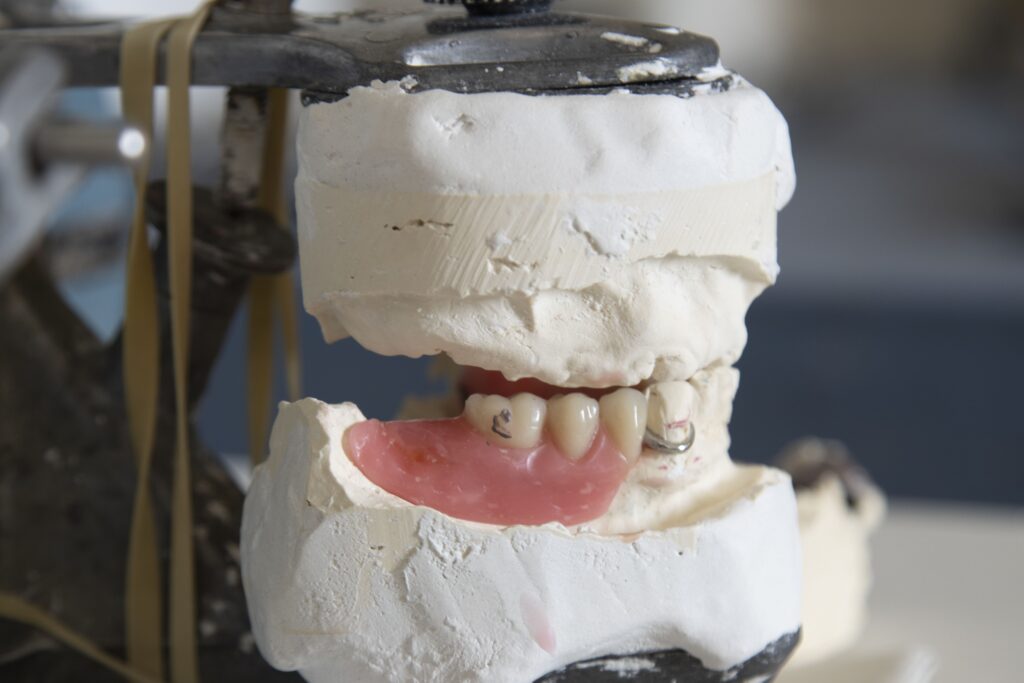
How Often Should Dentures Be Relined?
Most patients find they will need a reline every two years or so, although this varies. Often as a result of the natural effects of aging, as well changes in your oral health and existing dentition, it’s normal for your bone and Gum tissues to change gradually over time. Relining a loose or ill-fitting denture can restore the comfort and a more secure fit, and help prevent pain or discomfort caused by the movement of the denture inside your mouth. Relines generally last several years, but softer temporary relines may be used during healing periods to help ease patient discomfort. Regular denture reviews help ensure dentures fit properly and remain secure.
Speak With Our Friendly Team
If you need help choosing between full dentures or partial options, our experienced team is here to help.
Tarragindi Denture Clinic is located at Shop 4 / 56 Pring Street, Tarragindi QLD 4121.
You can contact them using the information below:
| Location: | Shop 4 / 56 Pring Street, Tarragindi QLD 4121 |
| Phone: | (07) 3892 7988 |
Beaudesert Denture Clinic is located at 3 Eaglesfield Street, Beaudesert QLD 4285.
You can contact them using the information below:
| Location: | 3 Eaglesfield Street, Beaudesert QLD 4285 |
| Phone: | (07) 5541 2365 |
Jimboomba Denture Clinic is located at Colonial Village Shop 13, 689-695 Cusack Lane Jimboomba QLD 4280.
You can contact them using the information below:
| Location: | Shop 13, 689-695 Cusack Lane, Jimboomba QLD 4280 |
| Phone: | (07) 5548 7768 |
Contact our friendly team to find out more about our full partial denture options, and find the solution that suits your needs.