
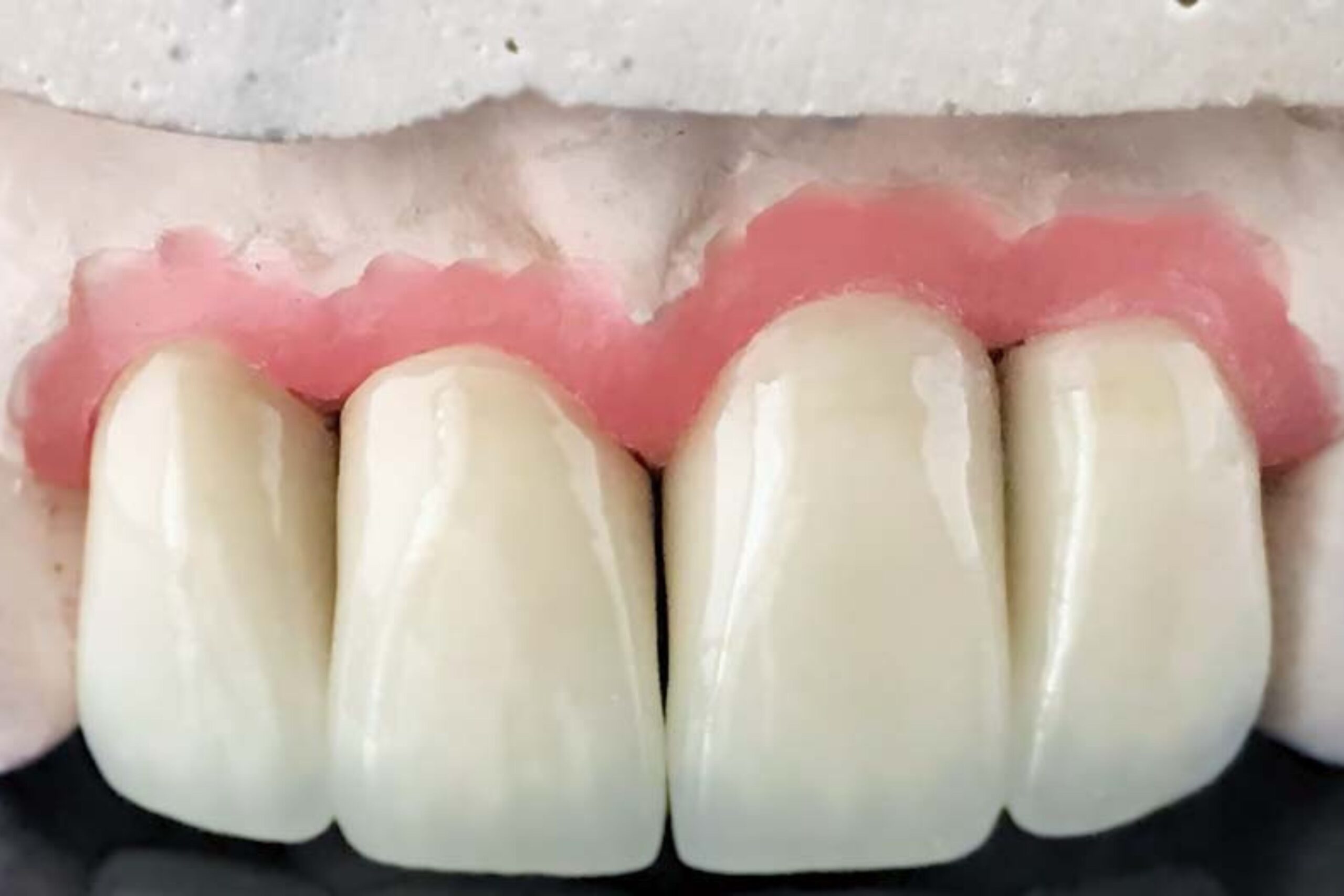
Denture adhesive is often seen as a quick fix for loose dentures. While it may help in the short term, the ongoing need for denture adhesives to help with loose dentures can signal deeper denture fit problems that affect comfort, function, and oral health. Understanding how dentures are designed to work, how long dentures last, and when dentures need replacement can help prevent unnecessary frustration.
Why Dentures Become Loose Over Time
Dentures are constructed to fit the shape of your gums and jaw at a specific point in time. However, over time it’s natural for changes occur within your mouth due to aging, physical trauma, or changes with your health and lifestyle. Bone and gum tissue can shrink as a result of these changes, and overtime can affect the fit and wear of your dentures, causing your dentures to become loose even with regular dental care. This applies to:
- Full dentures
- Partial dentures
- Acrylic, chrome and flexible denture designs
- Conventional dentures and immediate dentures
When dentures no longer fit correctly, relying on adhesive often masks the issue rather than resolving it.
Denture Adhesive Problems to Be Aware Of
Masking Denture Fit Problems
Denture adhesive issues often occur when dentures are ill-fitting. Denture glue does not correct the underlying problem. It simply compensates for the lost retention caused by changes in the mouth, providing a short-term temporary fix. Over time, continuing to wear an ill-fitting or loose denture can worsen their condition and damage your remaining teeth ir and surrounding oral tissues.
Increased Wear and Tear
Loose dentures that rely on glue tend to move during chewing and speaking. This movement causes additional wear and tear, which can shorten the denture lifespan and affect how long dentures last overall.
Gum Irritation and Oral Health Concerns
Excess adhesive can trap food and bacteria against the gums. Poorly fitting dentures can also irritate the soft tissues and impact oral health, especially if the dentures are not cleaned and properly maintained each day
How Long Do Dentures Last?
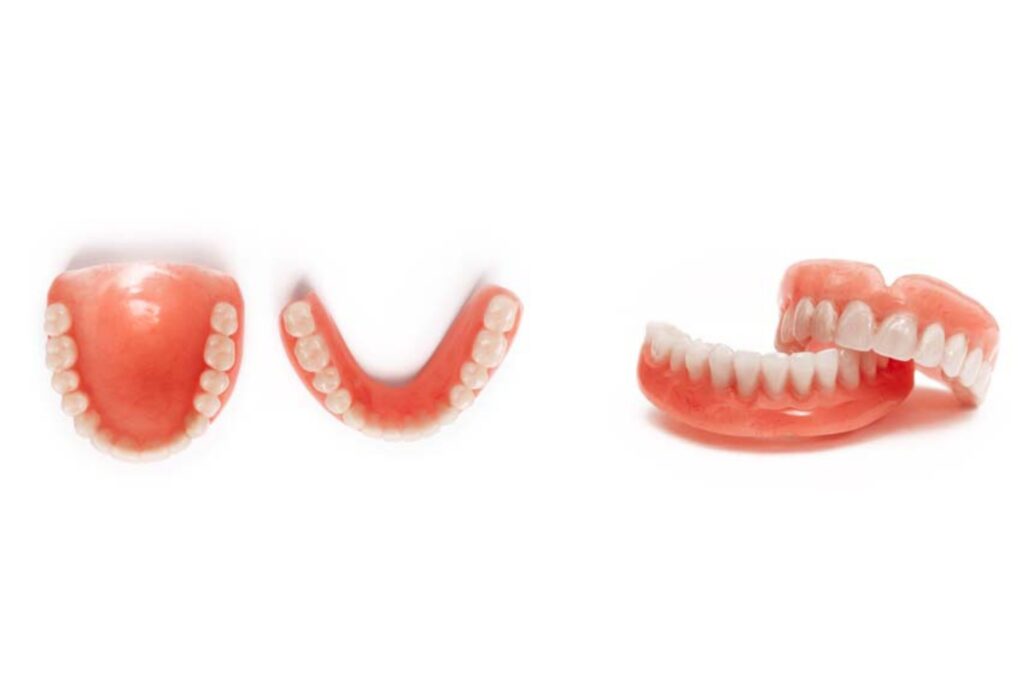
A common question from patients is how long they can expect their dentures to last, however the answer will be different for every individual patient and denture. The average lifespan of a denture is often between 5 to 10 years, although dentures can last for many years with proper denture care and maintenance, and regular dental check-ups to prolong the life of any remaining natural teeth. Factors that can affect the lifespan of a denture include:
- Type of denture (full dentures, partial dentures, or single tooth dentures)
- The materials used, such as acrylic dentures, chrome, or flexible dentures
- Denture wear habits (such as grinding and heavy bites)
- Denture care and cleaning routines
- Changes in gum and bone structure, or changes to your remaining natural teeth
- Regular dental visits and ongoing professional oral health care
Although dentures are designed to last, dentures typically last only as long as their fit remains stable. In many cases, relining the denture when it becomes loose or ill-fitting can prolong the lifespan of the denture and avoid the need for a complete replacement.
When Dentures Need Professional Attention
Dentures may need adjustment or replacement if:
- The dentures become loose
- The dentures are still fitting poorly, or require constant or excessive adhesive
- There are visible signs of wear and tear (such as cracks or chips in the denture teeth or base)
- The dentures negatively affect your ability to eating or speak normally
- You notice a sudden or obvious decline in the condition of your dentures
In many cases, a denture reline can restore the fit of your dentures and help your dentures last longer. When relines are no longer suitable, denture replacement may be recommended.
Denture Care That Supports Longevity
Proper care plays a major role in extending the lifespan of dentures. Dentures require daily attention to remain comfortable and functional. Best practices include:
- Cleaning your dentures daily using a soft brush and mild detergent
- Using a denture cleaner or soaking solution (always following the recommended instructions from the manufacturer)
- Avoid cleaning with harsh chemicals or abrasives (such as toothpaste)
- Always brush dentures gently to protect their surface, and handle with care to avoid dropping or breaking the denture, especially during cleaning (when the denture may be slippery than normal)
- Always keep the dentures clean when not worn, especially before bed (for patients that prefer to sleep with the dentures out at night)
- Attend regular check-ups with a dental professional to maintain the condition of your denture and overall oral health
- Keep the dentures safe and out of reach of small children or pets when not wearing, to avoid accidental damage
Alternatives to Denture Glue
If dentures are consistently loose, it’s important to consider a long-term solution to resolve the problem, rather than short term fixes with adhesives. Options such as implant-retained dentures can improve stability for suitable patients. For others, simply choosing the right kind of full or partial denture (chrome/acrylic/flexible) can make a dramatic difference to their overall denture experience. Your dental prosthetist will be able to provide you with all the information and advice to choose the right kind of denture for your individual needs.
A dental professional can assess whether your dentures need a reline, repair, or replacement and advise on the best solution for your situation.
Supporting Comfort Through Professional Denture Care
Denture glue should support well-fitting dentures, not compensate for dentures that no longer fit. Ensuring that the dentures fit correctly is essential for comfort, function, and confidence.
Speak With Our Friendly Team
If you need help choosing between full dentures or partial options, our experienced team is here to help.
Tarragindi Denture Clinic is located at Shop 4 / 56 Pring Street, Tarragindi QLD 4121.
You can contact them using the information below:
| Location: | Shop 4 / 56 Pring Street, Tarragindi QLD 4121 |
| Phone: | (07) 3892 7988 |
Beaudesert Denture Clinic is located at 3 Eaglesfield Street, Beaudesert QLD 4285.
You can contact them using the information below:
| Location: | 3 Eaglesfield Street, Beaudesert QLD 4285 |
| Phone: | (07) 5541 2365 |
Jimboomba Denture Clinic is located at Colonial Village Shop 13, 689-695 Cusack Lane Jimboomba QLD 4280.
You can contact them using the information below:
| Location: | Shop 13, 689-695 Cusack Lane, Jimboomba QLD 4280 |
| Phone: | (07) 5548 7768 |
Contact our friendly team to find out more about our full partial denture options, and find the solution that suits your needs.