

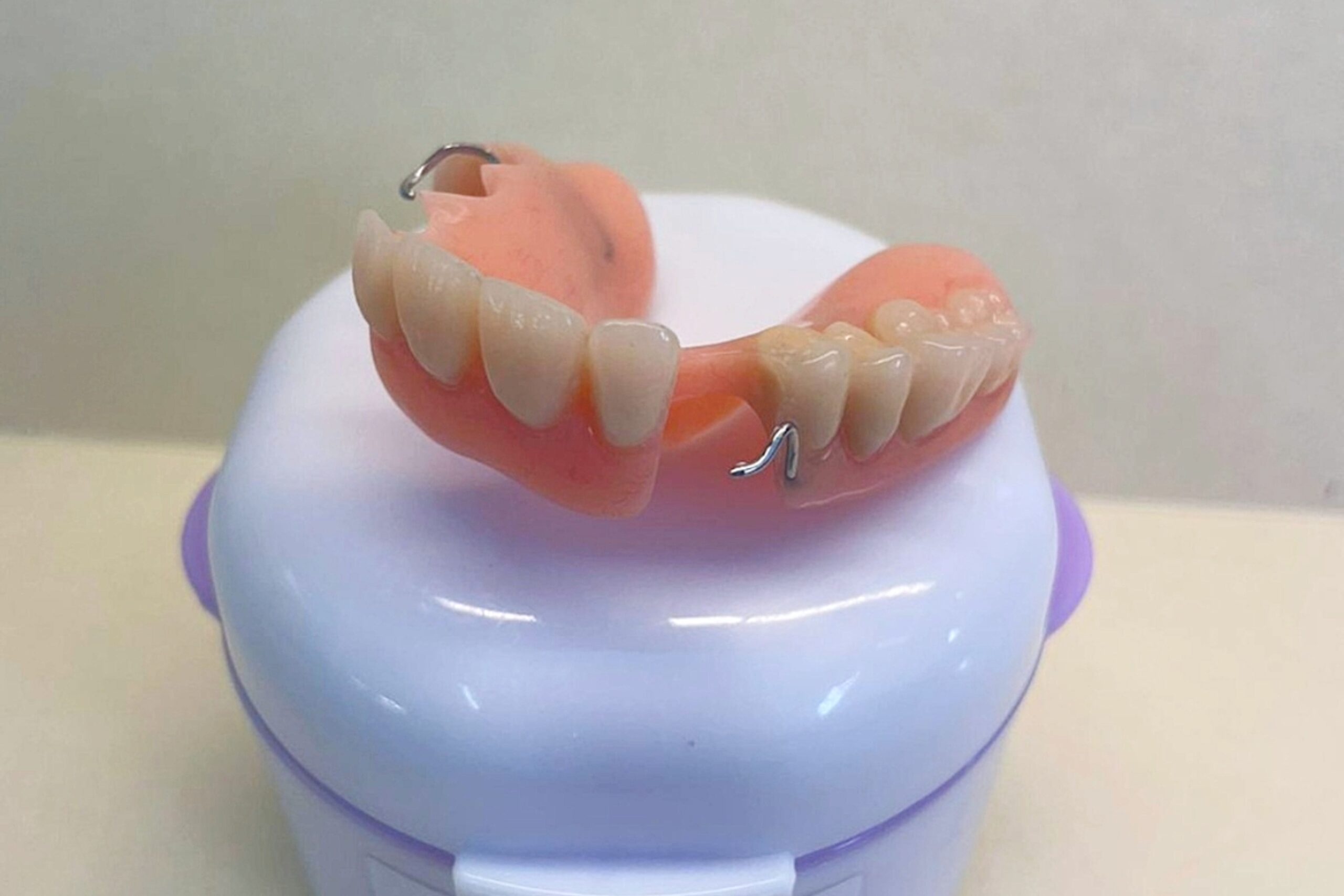
Many denture wearers focus on daily cleaning but overlook the importance of proper nighttime denture care. Knowing how to store dentures overnight plays a vital role in denture longevity, comfort, and overall oral health. Whether you wear full or partial dentures, understanding the proper way to clean and store your dentures at night can help prevent irritation, staining, and long‑term damage.
Dentures are made from specialised dental materials designed to replace missing teeth and support your natural oral structure. Proper storage, handling and hygiene routines are essential for prolonging the lifespan and long-term effectiveness of a denture.
Should You Remove Dentures at Night?
Most dental professionals, under the guidance of registered agencies and organisations such as the Australian Dental Prosthetists Association (ADPA) and The Australian Health Practitioner Regulation Agency (APHRA) recommend that patients remove dentures at night. Leaving the dentures out overnight allows time for your gums to rest and helps promote better circulation and reduce the risk of irritation and infection.
For some patients, wearing dentures at night can lead to soreness and irritation, due to the constant mild pressure of the denture against the gums. By leaving the denture out for longer periods of time (such as overnight), this allows the gums time to rest and recover so that the denture can continue to feel comfortable the next day. Leaving dentures in overnight may also increase the risk of oral health issues such as plaque build-up and tooth decay , especially if dentures are not thoroughly cleaned beforehand.
Each patient is different, and the choice to sleep with the dentures in or out overnight depends on a number of personal factors. While generally it’s recommended to remove the dentures during sleep, some patients may find it beneficial to leave their denture in overnight. In some cases, leaving the denture in at night can help to protect the oral soft tissues and provide support and protection for the remaining natural teeth. If you’re unsure, it’s important to seek professional opinion from your dentist or dental prosthetist, for advice on which option is best for you personally.
No matter what, whether you choose to sleep with the denture in or out at night it’s important to always follow a proper denture hygiene routine – much like caring for your natural teeth. Dentures should always be removed and cleaned properly before bed, regardless of whether you choose to store the denture overnight or put it back in to go to sleep.
How to Store Your Dentures Overnight Properly
Keep Dentures Moist – Myth or Fact?
It’s a common concern for those who’ve received mixed advice in the past – do dentures need to be kept moist, or is it better to store them dry when not in use? Many patients would have heard it before, whether from a past health professional, or a quick online search – you must never let dentures dry out.
It’s a common belief that leaving dentures out at night and exposed to air can cause them to warp or become uncomfortable to wear. However, with the new and improved denture materials in use today, this is no longer the case. In fact, it’s far more beneficial to store your dentures dry when not in use (provided they are stored cleanly and correctly).
By properly cleaning and storing the dentures dry, studies have shown a significant decrease in bacterial growth when compared to dentures stored moist or submerged in water overnight. Results of these studies also show that the dry storing of a denture has an clinically insignificant effect on the denture materials and is highly unlikely to cause warping or damage to the denture. In short, a dry denture is nothing to worry about – so long as it’s properly cleaned beforehand.
It’s also important to consider where you store the denture, keeping it safe from unexpected damage caused by outside factors (such as curious pets, harsh direct sunlight, and accidental breaks from crushing or dropping the denture).
Storing your dentures
To store your dentures overnight, we recommend following the simple routine below:
- Remove the denture and rinse under clean room temperature water
- If soaking – choose a clean container filled with fresh water, and follow the manufacturer’s instructions properly (and never leave the denture to soak for longer than recommended)
- After soaking, you can gently brush the denture with a soft toothbrush and mild detergent (such as a mild dishwashing soap)
- Thoroughly rinse the denture under clean running water to ensure any cleaning products are washed off
- Dry the denture thoroughly with clean cloth or paper towel, and store in a clean dry container until ready for use
Choosing the Right Storage and Solution
There are a number of different denture soaking solutions available, which you can easily find from chemists and grocery stores. A denture cleanser or denture‑cleaning solution helps to loosen plaque off the surface of the denture and keeps dentures fresh and clean. Some solutions are designed to be used overnight, while others are for short soaking periods of around 5 or 10 minutes No matter which denture cleaning product you choose, always follow the manufacturers instructions and only soak for the recommended amount of time.
Most commercial denture cleaning tablets are suitable for use on all denture materials (such as acrylic, chrome and flexible materials). However, you should always check the packaging before use – and if concerned, ask for a professional opinion from your dentist or dental prosthetist.
Denture Cleaning at Night
Before you leave your dentures out overnight, they should always be cleaned. A good denture cleaning routine includes:
- Remove your dentures carefully
- Rinse under room temperature or lukewarm water to remove debris (never hot water)
- Brush your dentures using a soft‑bristled denture brush or soft‑bristled toothbrush
- Use a mild detergent or special denture cleanser when brushing, and avoid using regular toothpaste
Regular toothpaste is abrasive and can scratch denture surfaces, making them more likely to stain and hold plaque.
Take care when cleaning your denture, as it can become slippery and harder to handle when wet or soapy. Cleaning the denture over a sink filled with water or a towel can help cushion any accidental drops and prevent breakages.

Common Denture Storage Mistakes to Avoid
To keep your denture in good condition, avoid these common mistakes:
- Using hot or boiling water (instead, always use room temperature or lukewarm water)
- Using harsh or abrasive household cleaners (instead, clean with a mild detergent such as dish soap, or a dedicated denture cleaning solution).
- Skipping nightly removal (whether you choose to sleep with the denture in or out at night, the denture should always be removed and cleaned properly before bed – much like your natural teeth)
- Brushing with abrasive toothpaste or hard brushes (instead, use gentle scrubbing motions with a soft toothbrush)
Improper care can damage your dentures and affect their fit, leading to discomfort or irritation, and shortening the lifespan of your denture.
Different Types of Dentures Need Proper Care
Full dentures, complete dentures, partial dentures, and specialised dentures supported by dental implants all require careful storage. While cleaning methods may vary slightly, the principle remains the same: clean and store your dentures properly when not in use..
Supporting Long‑Term Oral Health and Comfort
Good denture storage supports healthy gums, reduces odour, and helps ensure a proper fit. Dentures can cause irritation when not cleaned or stored correctly, especially if plaque and bacteria remain on the surface.
Regular reviews with a dental professional help ensure dentures continue to fit well as your gum and jaw shape changes over time.
Expert Denture Care Advice at The Denture Clinic
At The Denture Clinic, our patients receive personalised advice on denture care, denture cleaning, and denture storage. With over 20 years of experience, our Dental Prosthetists can offer expert guidance to help denture wearers maintain comfortable, healthy dentures and protect their overall oral health.
If you have questions about soaking solutions, denture maintenance, or choosing the right storage method, professional advice can make daily care easier and more effective.
Contact The Denture Clinic
For expert advice on the care of your dentures, contact our friendly team:
Tarragindi Denture Clinic is located at Shop 4 / 56 Pring Street, Tarragindi QLD 4121.
You can contact them using the information below:
| Location: | Shop 4 / 56 Pring Street, Tarragindi QLD 4121 |
| Phone: | (07) 3892 7988 |
Beaudesert Denture Clinic is located at 3 Eaglesfield Street, Beaudesert QLD 4285.
You can contact them using the information below:
| Location: | 3 Eaglesfield Street, Beaudesert QLD 4285 |
| Phone: | (07) 5541 2365 |
Jimboomba Denture Clinic is located at Colonial Village Shop 13, 689-695 Cusack Lane Jimboomba QLD 4280.
You can contact them using the information below:
| Location: | Shop 13, 689-695 Cusack Lane, Jimboomba QLD 4280 |
| Phone: | (07) 5548 7768 |
Contact our friendly team to find out more about our full partial denture options, and find the solution that suits your needs.